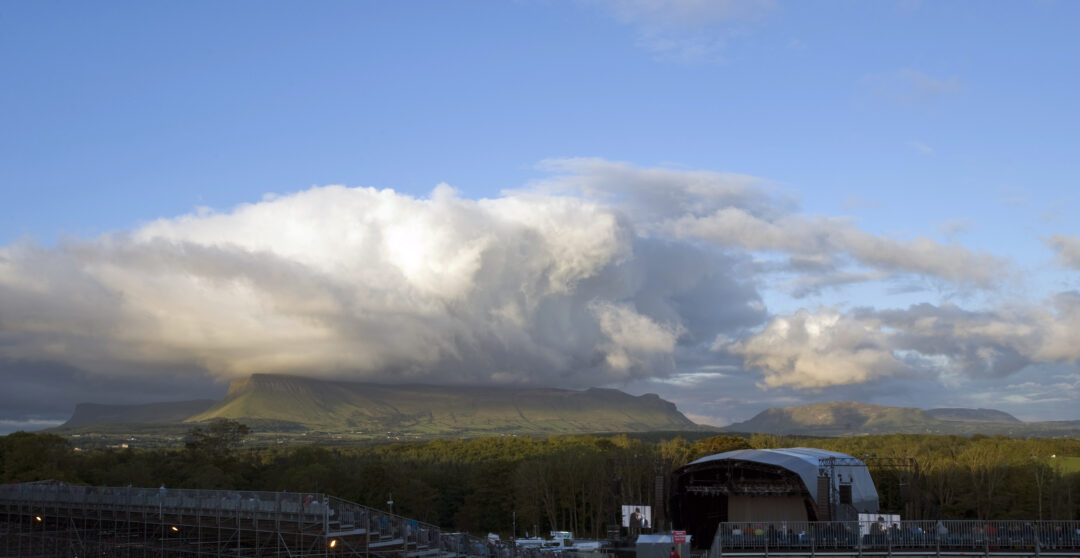
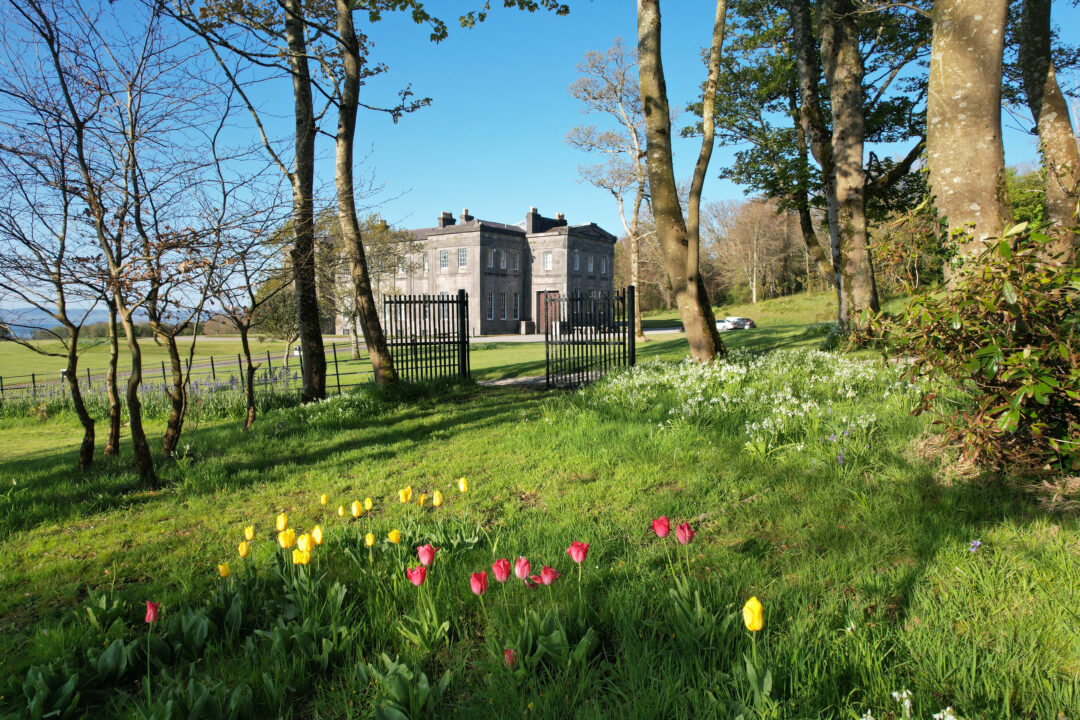
Touring the gardens of Lissadell House in County Sligo, Ireland, offers a blend of Victorian restoration, dramatic Atlantic coastal scenery, and profound literary history, with the iconic table-mountain of Benbulben in view. The experience is characterized by a “restored hidden” feel, featuring cultivated, romantic, and somewhat wild landscapes that contrast with the austere, neo-classical stone house.
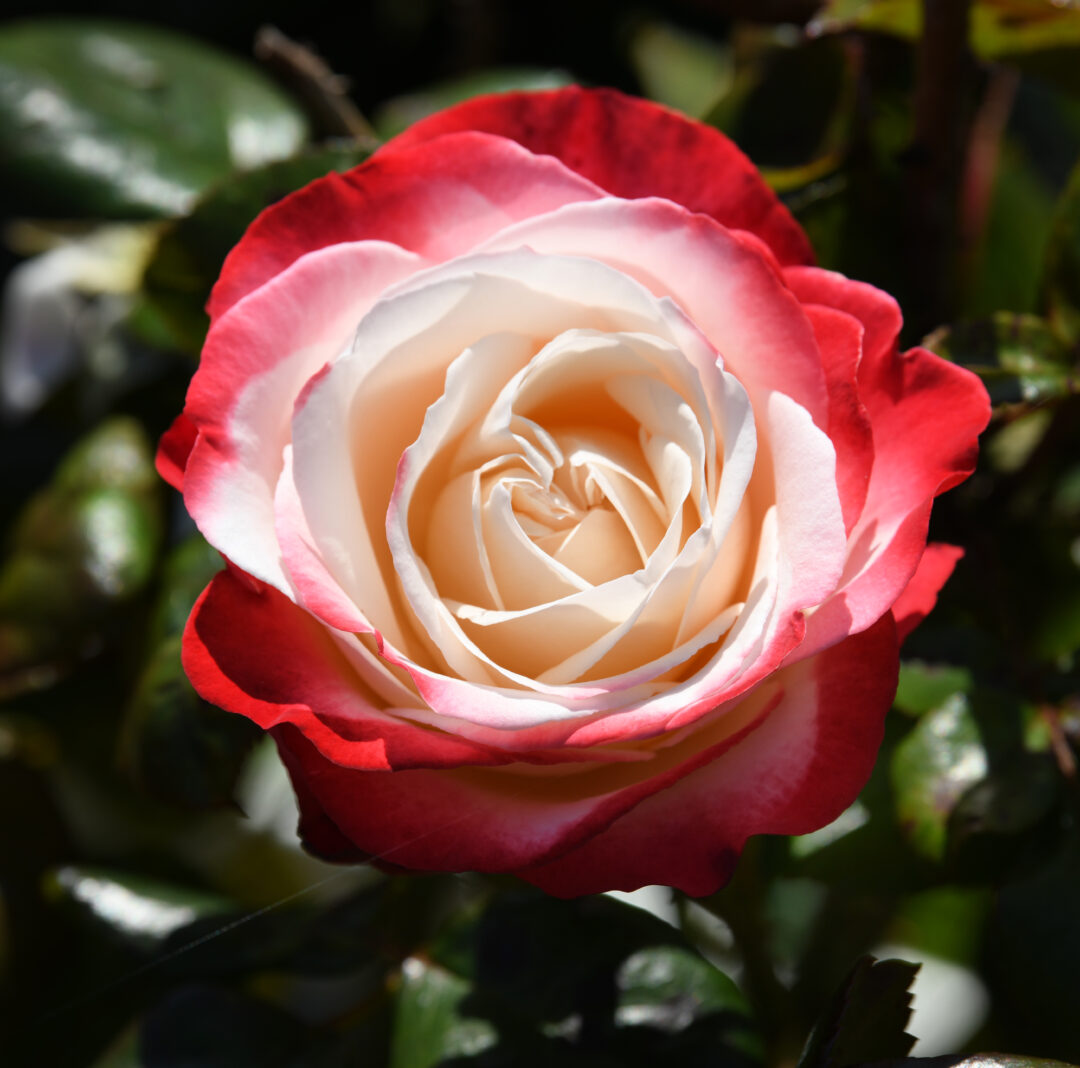
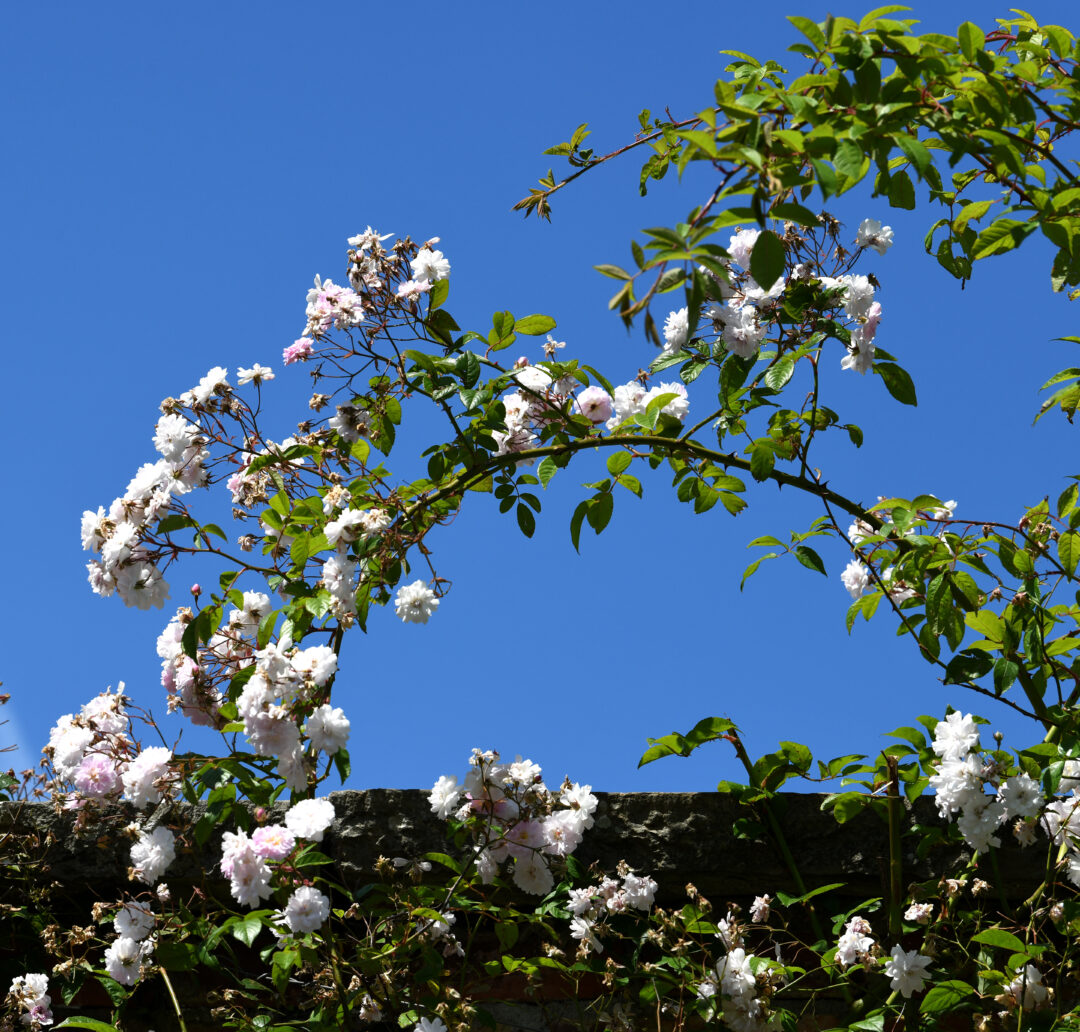
- Victorian Flower Garden (2.5 acres): Magnificently restored, this garden is a must-see, focusing on beautiful roses.
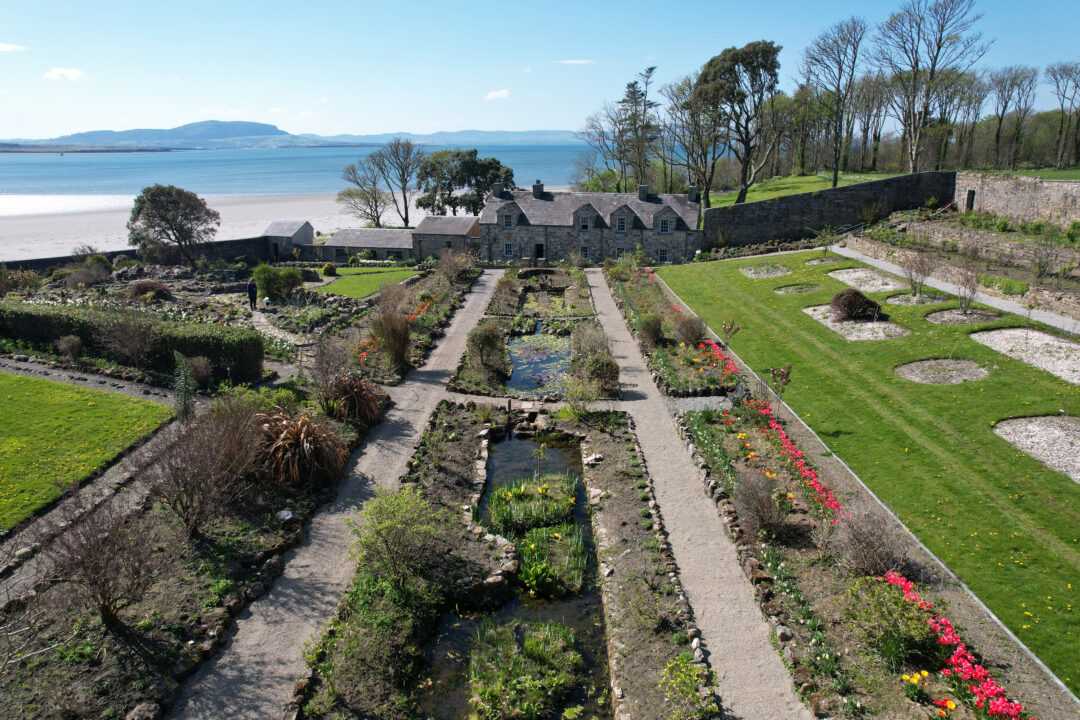
- Seashore Alpine Rockery Garden (2 acres): This seashore walled garden by the Atlantic Ocean is known for its dramatic setting and stunning array of plants, and was originally established in the 1750s.
- Woodland Walks & Coastal Trails: Visitors can explore paths that meander through coastal woodlands, offering dramatic views across Drumcliff Bay toward the Atlantic.
- Leonard Cohen Memorial Garden: A dedicated acre close to the House commemorates the singer-songwriter who performed two historic concerts on the estate in 2010.
Lissadell is a working Estate, and continually renewing and evolving in growth in the grounds and gardens. In 2004 we planted 14,000 Irish oak trees. Every year we plant more trees, native (Alder, Birch, Hazel, Rowan and Holly) and non-native (Himalayan Birch, Gleditsia Honey Locust, Spindle); and bulbs (on average 60,000 per year including daffodils, tulips, camassia and allium.
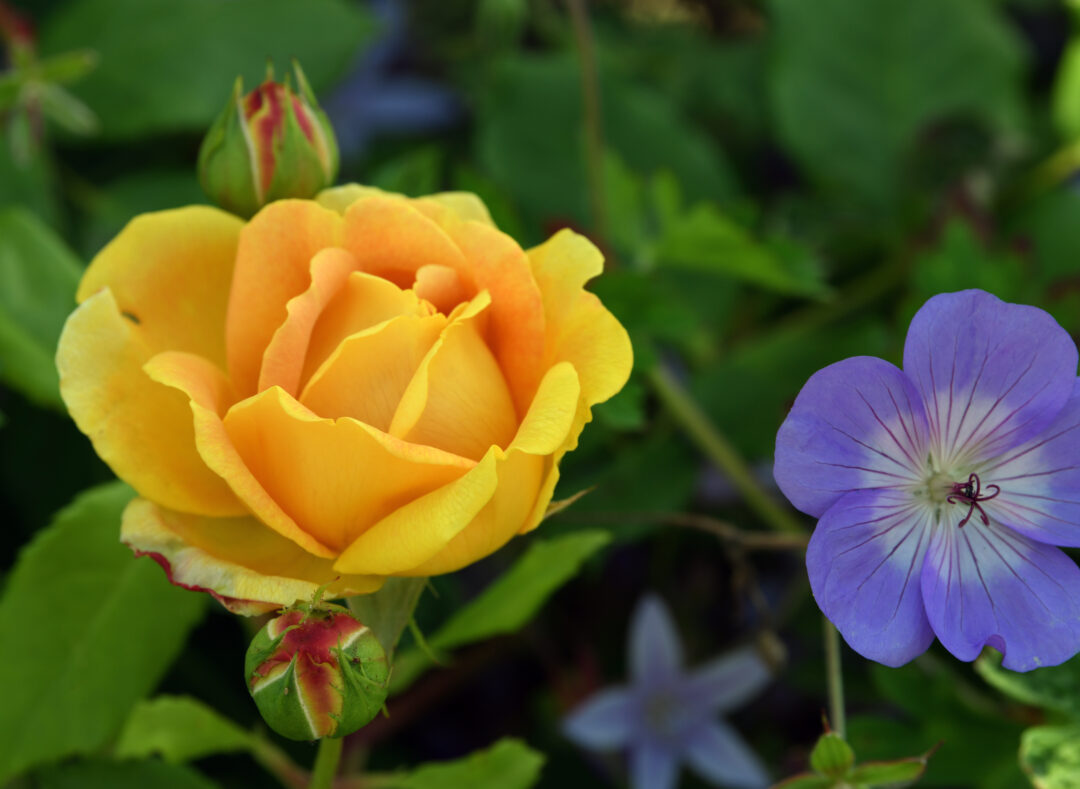
The Victorian Walled Flower Garden

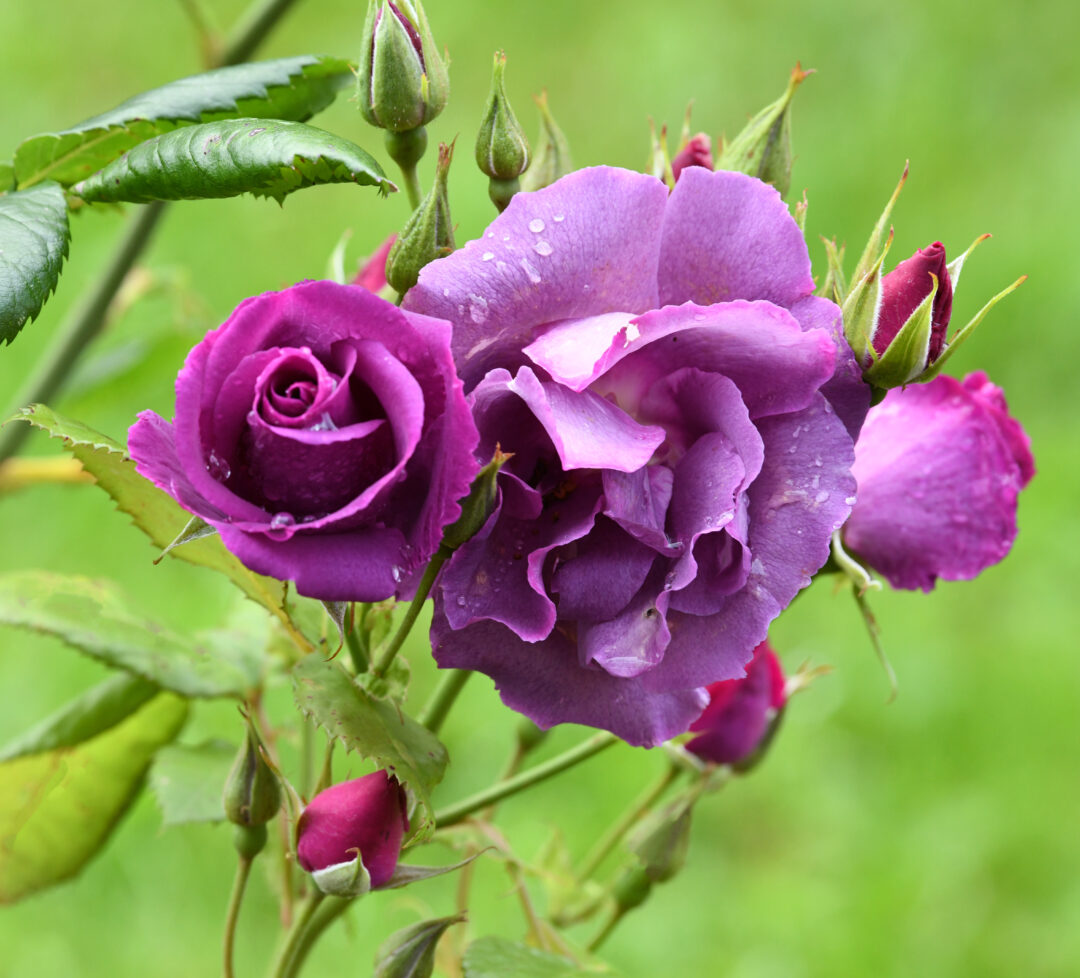
The Victorian Garden at Lissadell was originally constructed in 1840. It served as a replacement to the previous vegetable and herb garden by the sea shore, and now known as the Alpine Garden after the transformation into a pleasure garden from the1880’s. The original Kitchen Garden was served by a suite of glass houses adjoining the Garden, in the frame yard complex. On the northern wall of the Garden an underground boiler was constructed; this heated water, which was then piped to the adjoining glass houses in order to ensure a heated environment to encourage the early growth of flowers, vegetables and exotic fruits. It also served as a protective environment for more tender plants and allowed for extensive cultivation of cuttings and bulbs which was undertaken in the nearby restored potting shed.
The Kitchen Garden measures 2.4 acres in size and is divided into four equal squares, one of which is elevated. Surrounding this is a 15 foot lawn. On the original walls, trees, shrubs and plants were trained. Whilst the Garden was restored originally between the years of 2004 and 2008 into a vibrant Kitchen Garden, the amount of labour was quite enormous. Multitudes of various vegetables were grown, but such were the quantities that it was not capable of an economic use within the original tea rooms.
With the present trend to the discounting of vegetable and garden produce prices within supermarkets it is no longer commercially viable to produce even organic vegetables for retail sale.
Instead, after careful consideration, the decision has been made to change the format of the Kitchen Garden, and this work is presently underway. Instead of having four squares under vegetable cultivation, a single square will be cultivated but with four separate sections, thus allowing a proper crop rotation and within which it is intended to grow sufficient produce for the Estate use, and which will facilitate the production of produce for use in jams, chutneys and other Lissadell produce to which an added value can be given.
The remaining 3 squares have now been restored so as to create flower and pleasure ground displays. The first square as one enters from the eastern entrance is intended to be a rose garden devoted to cherished female roses, such as Jane Austin, Gertrude Jekyll, Lady Emma Hamilton, Darcy Bussell, Claire Austin and Lady of Shalott amongst other varieties and will provide a beautiful setting where visitors can enjoy the wonderous scent of these fragrant roses. The square behind on the south eastern corner is being replanted as a tranquillity garden with wind spinners, wind chimes and meditative settings, edged with flowers and a tree tranquil setting to take one’s repose. The south western square, which is the square furthest from the initial entry, is an elevated square and is presently being cultivated with wild Irish Flower seed under sown with green manure plants and off set with judicious planting so as to provide a haven for birds, bees and other wildlife.
The advantage of this work is that it reduces significantly the overall labour costs, but more importantly reduces untoward waste and provides a more tranquil and better environment for birds, bees and other insects.
We hope, you as the visitor, will enjoy the work, which we emphasise is in progress, and which involves a very significant effort, but an effort which we believe will be worthwhile when the final vistas are completed. The apple and pear trees are thriving, as are the fruit bushes. We emphasise that this Garden is a work in progress in Lissadell, which is a working Estate.
Seaside Alpine Garden
The Alpine Garden was created in 1740 as a pleasure garden next to the 18th century seashore house (demolished 1833). By the 1920s it was an exhibition garden for the alpine and herbaceous plants collected and bred by Josslyn Gore-Booth, a noted horticulturalist, and brother to Countess Markievicz. The famous Swiss botanist Henri Correvon visited in 1911 and was enchanted: “The garden at Lissadell presents an extremely beautiful and picturesque appearance, comprising as it does all the choicest of the alpine plants. I, for one, shall never forget so brilliant a picture”. This two acre garden has been wonderfully restored since 2004, when it was completely overgrown, having been neglected for over sixty years, when nature was allowed to run riot and it became an impenetrable jungle. Today the Garden is a magnificent tribute to all the gardeners who have worked in it since its creation in the 1740s, in particular the industrious Josslyn who created the stunning Alpine rockeries in the 1890s, and exported seeds and bulbs from this garden across the world; and to Sean O’Gaoithin and Jimmi Blake who led the reconstruction work, and to Pat Curneen, Rachel O’Sullivan, Carl Dacus and Pavlo Naumenko. Edward Walsh oversaw all, with the inestimable help and quiet persistence of Noel Rooney.
The Alpine Garden, overlooking Drumcliff Bay and Knocknarea
Lenard Cohen Memorial Garden
The Leonard Cohen Memorial Garden at Lissadell House in County Sligo, Ireland, commemorates the legendary singer-songwriter’s magical 2010 concerts at the estate. The garden, featuring a Canadian Maple tree and a plaque, was established by fans and house owners to honor his connection to the site. Leonard Cohen told his audience that he was “honoured to be in such a historical setting”. We were honoured to have him, and each member of his talented group, with us for two wonderful days.
- Location & Symbolism: The garden features a Canadian Maple tree, symbolizing Leonard Cohen’s Canadian roots. The maple was presented by Frances Browne of the Leonard Cohen Forum in July 2010.
- Atmosphere:
Leonard Cohen recited W. B. Yeats: “The light of evening, Lissadell, great windows open to the south, two girls in silk kimonos, both beautiful, one a gazelle”. He had learned the poem 50 years ago in his home town of Montreal, and said: “I never knew my steps would take me to this place, and that I would receive such a welcome sheltered in the spirit of the great master whose lines I have just quoted”.
He also recited his beautiful lyrics: “Ring the bells that still can ring, Forget your perfect offering, There is a crack in everything, That’s how the light gets in”: