Lissadell - A Romantic History
Immortalised by the poet William Butler Yeats, and childhood home of Countess Markievicz, Lissadell is the crucible of Ireland’s historic, literary and garden heritage. Lissadell House is a neo-classical Greek revivalist home built by Sir Robert Gore-Booth in the 1830s.
The Gore-Booth Family
The Gore-Booth Family and Impact
- The Family Line: The Gore-Booths held land in Sligo from the 17th century, with the baronetcy created in 1760.
- Greek Revival Style: Designed by Francis Goodwin, the house was built using local limestone from the Ballisadare quarries, giving it its distinct grey, austere appearance.
- The Great Famine: During the 1840s, Sir Robert Gore-Booth was recognised for his work to allieviate the catastrophic effects of famine, disease and great distress. Sir Robert was a resident landlord who cared deeply for his land, for his tenants and for his community (as he was to demonstrate), unlike many of his absentee landlord contemporaries.
- Money was found, however, during the Great Famine years, from borrowings on Sir Robert’s English estates (as his Irish estates ‘could not have borne the cost’), and with the help of his wife Sir Robert distributed soup, bread and oatmeal to those in need in the covered Riding Arena at Lissadell. His son Henry did the same during the famine years of 1879 – 80. Sir Robert also chaired four Famine Relief Committees, working closely with the inspectors to find out the actual situation of the poor (not his own tenants) who were too destitute to seek assistance for themselves.
Sir Robert himself brought the inspector into the houses of the poor, to demonstrate the absolute necessity for urgent measures to alleviate their condition. His purpose was to insist that the authorities should be made fully aware of the reality of the crisis, and the relative futility of individual efforts in the face of the catastrophic effects of mass starvation. He hoped to persuade the Government in Westminster to take a greater role in dealing with the crisis and its aftermath.
However central government maintained a cool distance, leaving the administration of limited relief to the self-righteous assistant secretary to the Treasury, Charles Trevelyan, who restricted food distribution, refused to contemplate land reform to prevent the cruel policy of forced eviction of the starving by ruthless, absentee landlords, and not only insisted that ship loads of food grown in Ireland should continue to be exported as before, but provided military escorts to prevent attacks by the starving.
Trevelyan later attempted to justify his policy of non-intervention by explaining that the Famine was a “mechanism for reducing surplus population”, and was ordained by God:
‘The judgment of God sent the calamity to teach the Irish a lesson, that calamity must not be too much mitigated. …The real evil with which we have to contend is not the physical evil of the Famine, but the moral evil of the selfish, perverse and turbulent character of the people’. . In 1846 he paid £1,721 to local merchants for food to be distributed to the destitute, and in 1847 he spent £13,403 on famine relief”. He bought coffins for the dead, so their relatives did not have to bury them at night, without the benefit of a Mass. “Between August 1846 and July 1847 [Sir Robert] imported 2,584 tons of food at a cost of £34,822”. He also imported seeds for planting: “in the summer of 1847 he imported 261 tons of seed oats, barley and wheat at a cost of £3,941”. The Sligo Journal reported, in October 1847, that his corn & meal store at Johnsport was robbed. Sir Robert noted that “the distress in this district cannot be imagined, it must be seen, but I am happy to say very little exists on my own property or those portions over which I have control“. - With his brother Henry, he chartered ships to provide safe passage for those wishing to emigrate.
- Estate Development: The Gore-Booth family invested heavily in the local community, building schools and providing employment through large-scale drainage and forestry projects.
- Estate Management: The family were regarded as “improving landlords,” noted for work during the Great Famine, and again during the famine in North Sligo of 1878/, when Sir Henry and his wife distributed grain to the needy from the Riding Arena.
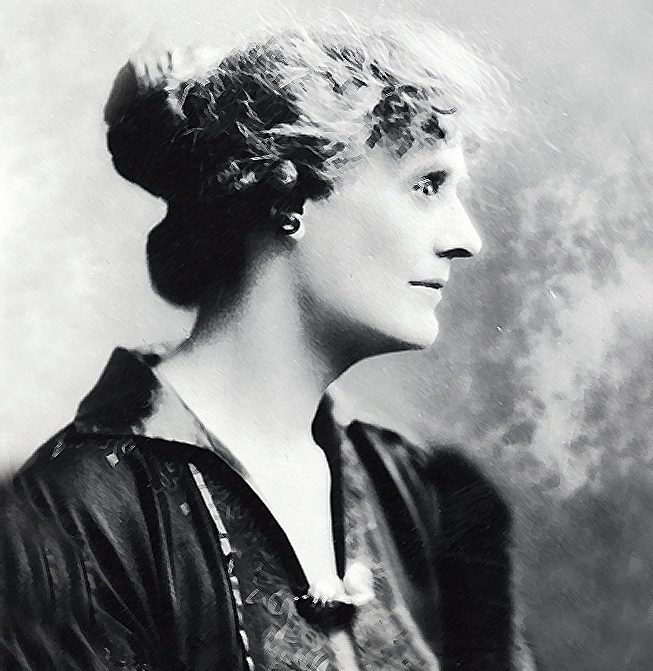
- Constance Gore-Booth (1868–1927): Constance grew up roaming the estate, becoming an Irish revolutionary, a leader in the 1916 Rising, and the first woman elected to Dáil Éireann.
- Eva Gore-Booth (1870–1926): A poet and suffragist, Eva grew up as a thoughtful child before becoming a prominent activist fighting for working women’s rights.
- Josslyn Gore-Booth 1869 – 1944. Josslyn created at Lissadell one of the premier horticultural estates in Europe. This horticultural enterprise has now been recreated at Lissadell.
- Sir Henry Gore Booth, 1843 – 1900: remarkable for his Arctic yachting trips, and his children, Constance, Josslyn, Eva, Mabel and Mordaunt. Sir With the example of his father, Sir Robert, Sir Henry helped local people during the famine in North Sligo of 1897/8, providing grain. This obligation to help had a profound affect on his son Josslyn, and daughters Constance and Eva, who each developed a social conscience unusual for their time and class.
- Georgina, Lady Gore-Booth, 1846 – 1927: Admired for helping local women secure employment through her Lissadell Needlework School, and her patronage of Irish traditional music and culture.
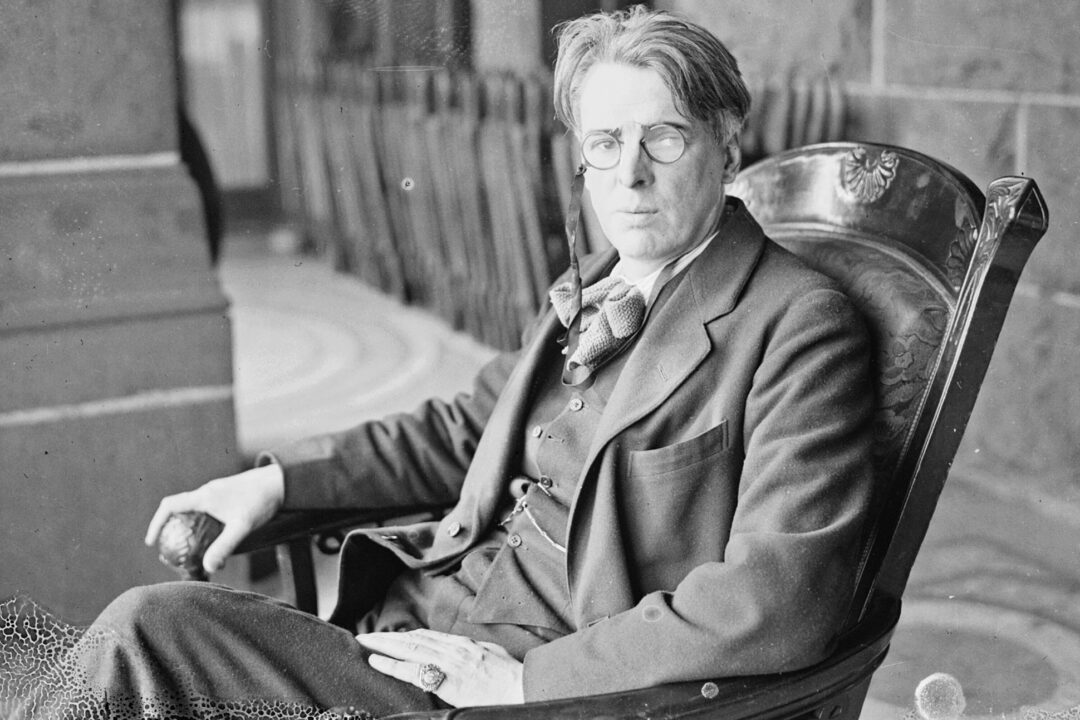
William Butler Yeats
W.B. Yeats and Lissadell
- W.B. Yeats first visited Lissadell over the winter of 1892/3, captivated by the atmosphere and the sisters, later immortalizing them in his poem “In Memory of Eva Gore-Booth and Con Markiewicz”.
- The poem famously recalls the “light of evening, Lissadell” and “two girls in silk kimonos,” immortalizing the house as a scene of youth, beauty, and lost idealism.
- Childhood Ties: Yeats first visited the estate as a boy to watch cricket matches and horse races.
- A regular visitor (1892 – 1895): As a young man in the 1890s, he was regularly invited to stay at Lissadell, when visiting his uncle in Sligo.
- The Sisters: He formed a close bond with Constance and Eva Gore-Booth, but particularly Eva, advising her on her poetry. Years later he confided to his diary that he had thought of marrying Eva (not realising her inclinations) but considered that the Gore-Booths would not accept so penniless a suitor.
- Literary Mentor: Yeats actively encouraged Eva’s own poetic ambitions, advising her that her work was best when her “feeling is weightiest”.
Literary Legacy
- Immortalized in Verse: The house is the setting for his famous 1927 poem, “In Memory of Eva Gore-Booth and Con Markiewicz”.
- The “Silk Kimonos”: The poem’s opening lines immortalize the sisters as “two girls in silk kimonos,” sitting by the great south-facing windows of the dining room.
- The Gazelle Metaphor: He famously described the younger sister, Eva, as being as graceful and delicate as a “gazelle”.
- Political Disillusionment: In his later years, Yeats used the memory of the “Georgian mansion” to lament how time and radical politics had, in his view, “withered” the sisters’ youthful beauty and idealism.


